Laser beam welding at IGW India
15 September, 2026
At IGW India, we use laser beam welding for selected pinion assemblies. This process gives us an extra manufacturing route for shaft-based gear components. It sits alongside our one-piece and assembled pinion solutions.
For applications where geometry, joining quality and process stability are critical, laser beam welded pinions offer a precise and repeatable solution. The process is carried out in-house. Depending on the component design and application, it supports weld depths up to 10 mm.
A controlled laser beam welding process
In demanding drivetrain applications, the connection between shaft components has to be strong, accurate and repeatable. Laser beam welding uses focused energy to create a controlled weld. As a result, the process can limit distortion and support stable component geometry.
This makes it suitable for parts where alignment, precision and weld consistency are important. However, the weld itself is only one part of the result. Correct preparation, stable fixturing, controlled welding parameters and validation afterwards are just as important.
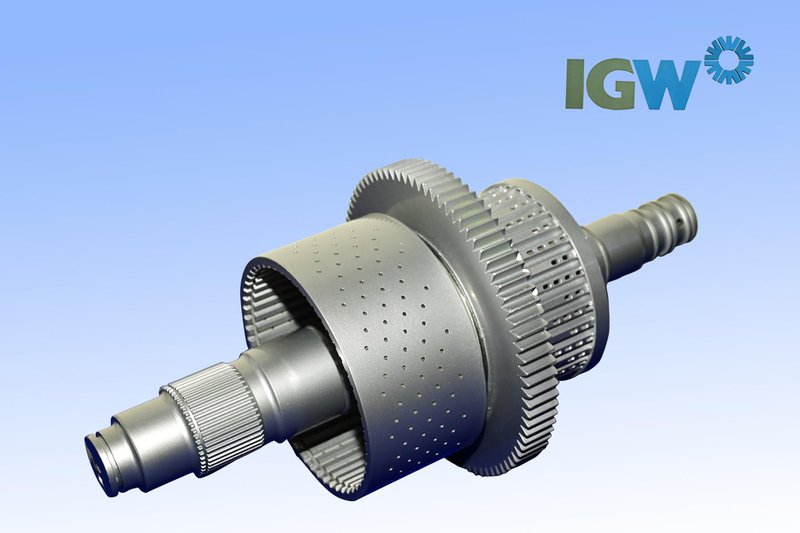
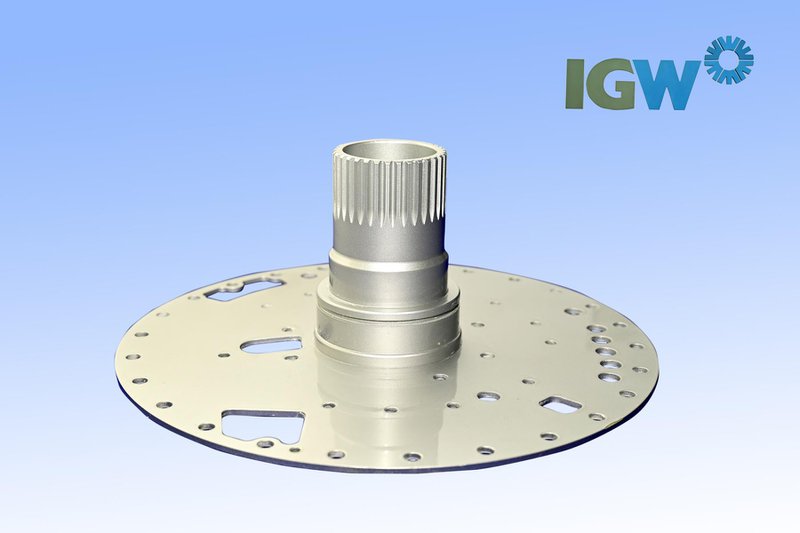
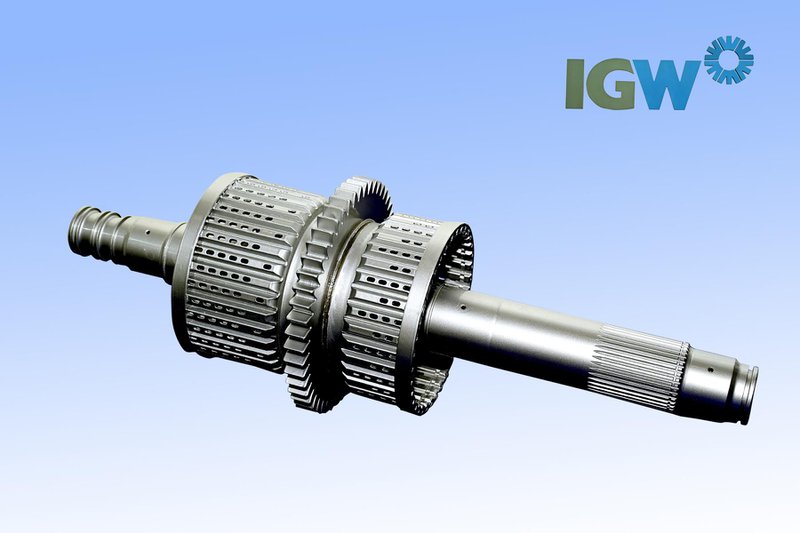
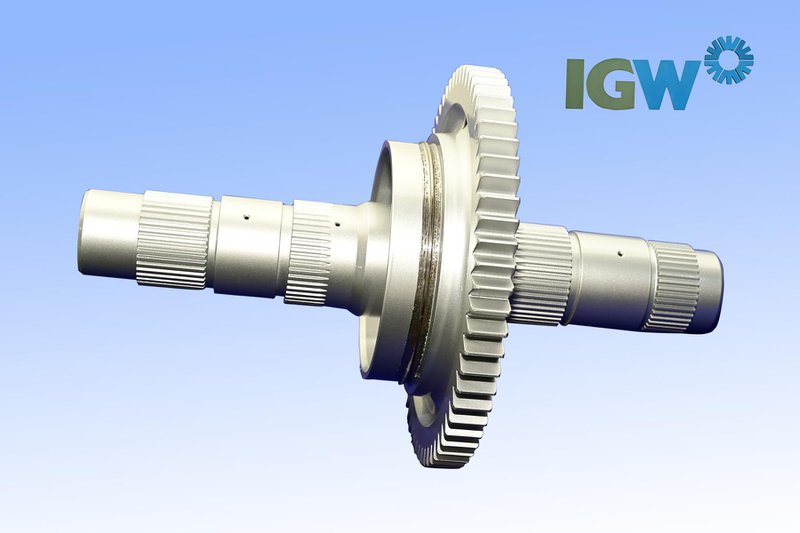
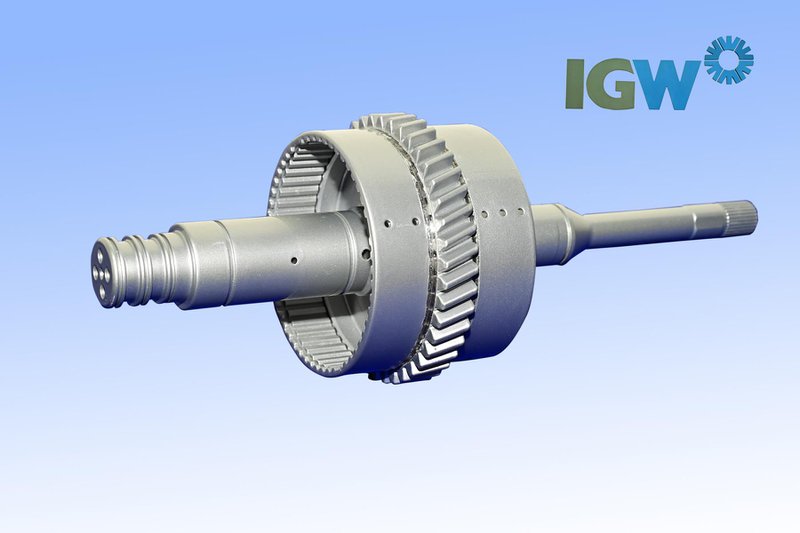
How laser beam welding supports pinion assemblies
For pinion assemblies, the full process has to be managed carefully. Machining, preparation, welding, inspection and validation are closely connected. Because we keep these steps in-house at IGW India, our teams can work with shorter feedback loops.
That gives us better control over quality, timing and process improvements. This is important because small deviations in geometry or alignment can influence the final behaviour of the component. Therefore, we do not treat welding as a separate operation. We manage it as part of the full manufacturing route.
Equipment and process capability
Our laser beam welding setup supports complex shaft-based assemblies. It allows us to work with different welding directions and longer shaft geometries. This flexibility helps when access, positioning and weld consistency are critical.
Still, equipment alone does not define the result. The process also depends on skilled operators, stable preparation and clear validation steps. Together, these elements make laser beam welding a repeatable industrial process.
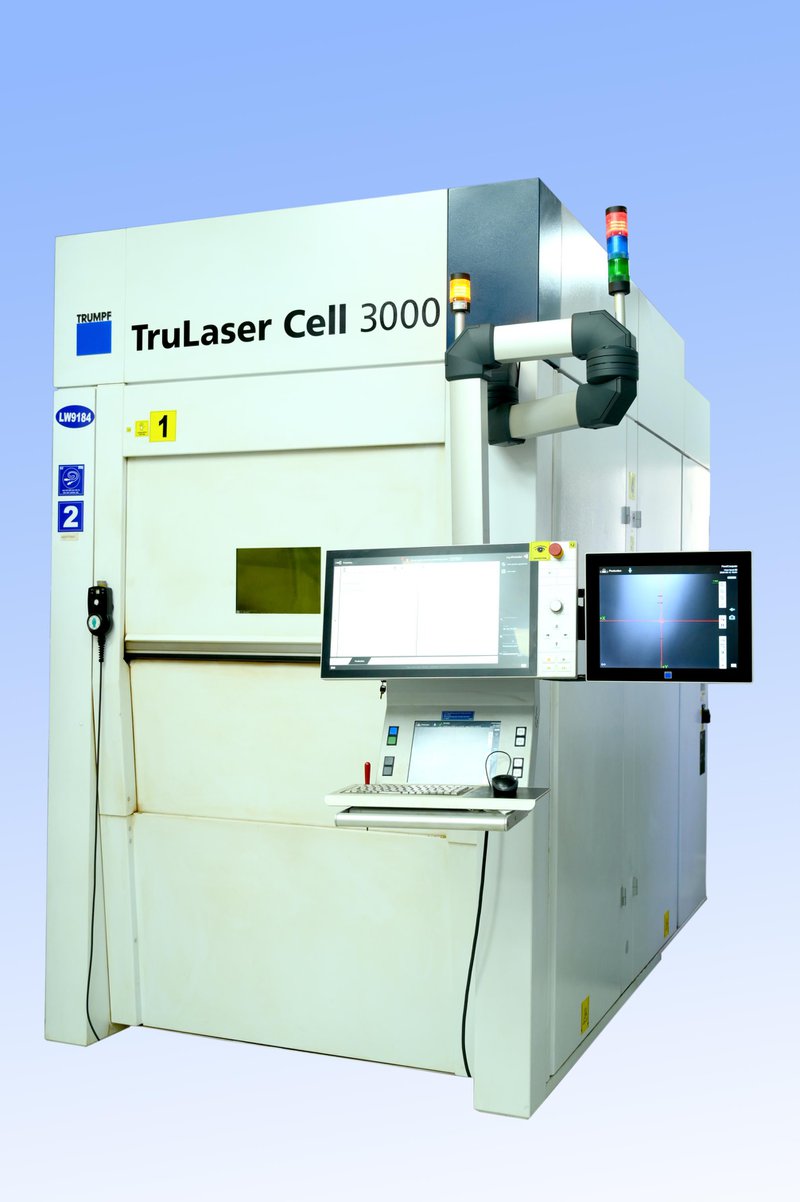
Laser beam welding validation before release
Laser beam welding is more than joining two components. The weld must meet the required quality level for the application. Therefore, we combine process control with metallurgical validation. This helps confirm that the weld quality is suitable for the component and its intended use. In this way, validation supports both process reliability and final product performance.
One of several pinion manufacturing routes
Not every application needs the same pinion architecture. At IGW, we manufacture one-piece pinions, assembled pinions and laser beam welded pinions. The right solution depends on the customer’s technical requirements. Each route has its own advantages. These can relate to design, material selection, stiffness, lead time or manufacturability. That is why we look at the application first. Then we define the manufacturing route that fits best.
Talk to us about your pinion project
Do you have a pinion or gear assembly project where joining quality, geometry and process control are critical? Our team can support you from feasibility to production. We can give practical input on design, manufacturability and validation.
Contact our sales team via sales@igwpower.com or reach out through our contact page.